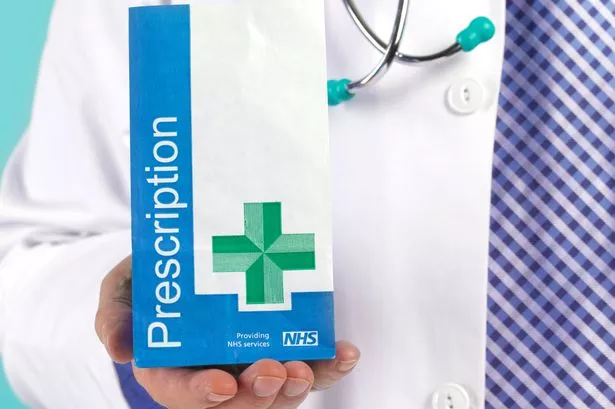
In England, not everyone pays for their medicines. Certain groups can collect NHS prescriptions free of charge — a support that already helps millions of people manage their health without worrying about extra costs. Understanding who qualifies will help you know if you or a family member are entitled.
👵 Age-based eligibility
Some people qualify for free prescriptions simply because of their age.
- Children and teenagers: generally free until they finish compulsory education.
- Older adults: once you reach a certain age, prescriptions are no longer charged.
This means that both the youngest and the oldest members of the population are protected, ensuring access to essential treatment.
🤰 Pregnancy and new mothers
If you are pregnant or have had a baby in the last 12 months, you may be entitled to free NHS prescriptions.
- Proof is usually required, such as a maternity exemption certificate (MATEX).
- This covers the whole pregnancy and continues for a year after birth.
This exemption helps families by removing the cost of medication at a time when health expenses often increase.
🩺 Long-term medical conditions
People diagnosed with certain chronic illnesses do not have to pay for their prescriptions. Examples include:
- Diabetes
- Epilepsy
- Thyroid disease
- Certain forms of cancer or ongoing treatments
If you have one of the listed conditions, you can apply for a Medical Exemption Certificate (MedEx). With it, every prescription related to your condition is provided free of charge.
💳 Income-based benefits
Some free prescriptions are linked to your financial situation. If you or your family receive certain income-related benefits, you may not have to pay for your medicines. This includes:
- Income Support
- Universal Credit (with conditions)
- Jobseeker’s Allowance (income-based)
- Pension Credit Guarantee Credit
These exemptions ensure that people facing financial difficulties are not prevented from accessing essential treatment.
📑 How to claim free prescriptions
The process depends on why you qualify:
- Age → proof of date of birth is usually enough.
- Pregnancy → maternity exemption certificate.
- Chronic condition → medical exemption certificate (MedEx).
- Income-related → evidence of the benefits you receive.
At the pharmacy, you will normally tick a box on the prescription form and may be asked to show proof. Always keep your certificate or documents up to date.
📌 Quick summary (who qualifies)
| Category | Who is covered | Proof needed |
|---|---|---|
| 👵 Age | Children, teens, older adults | Birth date / ID |
| 🤰 Maternity | Pregnant & new mothers (12 months) | MATEX certificate |
| 🩺 Medical | Chronic conditions (e.g. diabetes, epilepsy) | MedEx certificate |
| 💳 Benefits | Certain income-related benefits | Benefit letter / proof |
✅ Why this matters
Prescriptions are a vital part of healthcare, and costs can quickly add up if you need regular medication. The NHS exemption system ensures that vulnerable groups — from children to older adults, from pregnant women to those with ongoing conditions — are not left without treatment. Even if you are unsure, it is worth checking, because many people discover they qualify without knowing.